-
Trombone lesson: warm up and play music (sort of) at the same time
Playing scale patterns in all keys as a trombone warm up will make you think while playing. Why not improve your chops...
3 -

Trombone lesson: Doodle Pentatonics
Pentatonic April – part II This is the second pentatonic exercise in a series of two, read the first part...
-

Trombone lesson: Pentatonic scale flexibility
Trombone lesson: Pentatonic scale flexibility I like pentatonic scales. They tend to fit the trombone quite well and are...
-
Trombone lesson: Pentatonic licks for 2013
Christmas is over, and we have now entered 2013. For me that mean picking up the trombone again and...
-
Trombone lesson: Altered scale in all keys
Experience the altered scale and discover how to use it when you improvise - exercises for trombone and other...
-
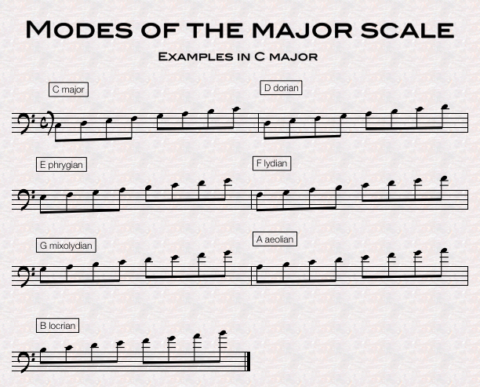
Scales in all twelve keys for trombone
Lesson for trombone players: exercises for playing the seven modes of the major scale in all keys.
-
Trombone lesson: My favorite warmup
My favorite warmup exercise - for trombone, trumpet and other brass players. See sheet music in the photo gallery.
-
Trombone lesson: Scales without tongueing
Work on your high range and intonation with this unusual way to play a major scale on the trombone.
Scales