Free trombone sheet music – best collection online?
Get a trombone jazz etude
Improve your trombone playing with this selection of free trombone sheet music
For trombone players in all genres.
On Digitaltrombone.com you will find the largest collection of trombone sheet music online for intermediate to pro trombone players. Etudes, trombone schools, jazz etudes, scales, warmups, jazz patterns, trombone concertos, and much more.
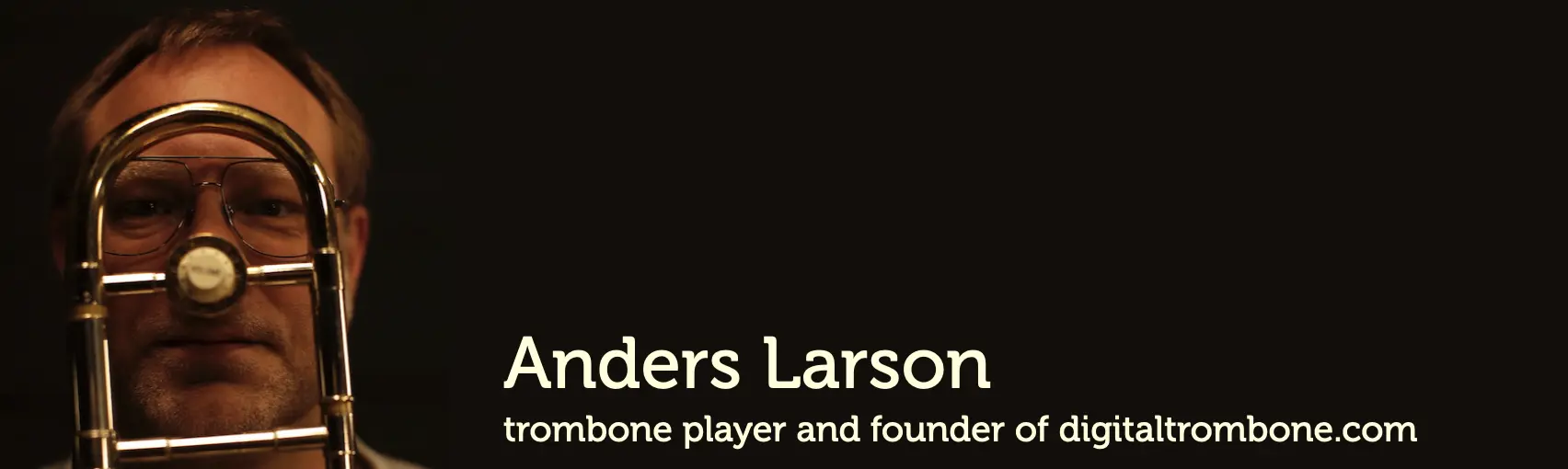
All content is of the highest quality, written by or edited by me Anders Larson, professional trombone player & educator and founder of digitaltrombone.com. I hope you enjoy this trombone resource and get those lips buzzing! The trombone sheet music and exercises all come with clear instructions to help you get the most out of your practice. Take the trial and get access to all the trombone sheet music for 14 days – no strings (or slides) attached, cancel any time.
If this collection of trombone material doesn’t improve your chops, I will drink a bottle of Slide-o-mix!
You will find the sheet music for this and many other solos edited for trombone in bass clef in the member’s section.

Trombone basics from the member’s section
Flexibility: Large intervals
3 pages of challenging sheet music where the objective is to be able to use limber trombone flexibility also when playing larger intervals. You’ll work on the full range of your trombone.
Lip trills
Since trombones don’t have valves like their brass siblings, we need to be able to play lip trills. Those french horn and trumpet players have no clue how skilled we actually are at this  Play these exercises and get even more skilled!
Articulation basics
Many brass players have sloppy articulation. This gets especially obvious on the slide trombone. You don’t want to unintentionally slide around between notes due to bad articulation. This trombone lesson will let you improve both your legato, staccato and tenuto playing.
Free sheet music with essential trombone basics
Flexibility with pedal tones
Flexibility (aka the ability to rapidly and effortlessly change range when playing trombone) is an important basic skill. This trombone lesson incorporates pedal tones to give it another healthy dimension.
High range glissando
This is a simple but surprisingly effective trombone high-range exercise. Slide your way into the stratosphere.
Crescendo with full control
This one is a great chops diagnostic tool. It won’t work properly unless airflow is big and open and lips are buzzing freely.
Get a free trombone jazz etude

Trombone warmups from the member’s section
Access these trombone sheet music warmup exercises for free.
Warmup the thorough one
Warmup is like breakfast – the most important meal of the day. Using this exercise, you get a really thorough warmup. Make sure to stay 100% focused during your warmup. Always keep an eye or three on the interaction with your instrument – does it feel and sound right? 4 pages of intense sheet music.
Midrange Kickoff
This is a warmup beast that I have used a lot over the years. It takes some time and can be a bit boring, but it is time and boredom well spent.
12-minute warmup
A condensed version of my thorough warmup. You don’t always have time (or need) for a 43-minute warmup, sometimes life and music come in the way. That’s fine – work with what you’ve got any given day.
Free trombone warmup sheet music
Kick starting lips and air flow
A great warmup for all brass players. Get your lips going and turn on the airflow. Visit this trombone lesson to access the sheet music. If this doesn’t do anything for your playing, I’ll buy you a lollipop.
Flow and pitch on mouthpiece
Many trombone players have problems keeping the airflow constant while playing smooth legato lines. This mouthpiece exercise will help you disconnect (yes, that’s a good thing!) your airflow from the individual trombone notes. Includes a 7-step checklist.
Improve your playing in five minutes
Yes – I know the headline sounds a bit cheesy… It might actually take you 6 minutes! it is a simple glissando warmup exercise designed to improve your sound instantly, but doing it daily for a period of time is even better. Go slide!

Jazz etudes from the member’s section
Blues in F
This jazz etude is all about blues. Play it as a solo in tunes like Now’s The Time and Billies Bounce. Great swinging bebop and beyond perfectly matching your trombone. 5 pages of sheet music.
Night And Day
A trombone jazz etude based on the famous and lovely jazz standard Night And Day. Each chorus gets more and more challenging. 6 pages of trombone sheet music.
All The Things You Are jazz etude
This standard has been played by many of the greatest jazz trombone players. Frank Rosolino’s version is probably my favorite. Five pages of sheet music ranging from medium easy to advanced.
There are hundreds of pages of sheet music with jazz etudes in the member’s section.
Access these and 30 more jazz etudes.
Free trombone sheet music with jazz etudes
Mike Stern lick in all keys
This phrase is stolen from the great guitar player Mike Stern from one of his recordings. I liked it so much that I decided to transpose it to all keys. Gets your trombone jazz juices cascading.
Tip Toe Trombone Solo
This is the trombone chorus from Thad jones’ amazing big band chart Tip Toe, and should be considered as part of the curriculum for any jazz trombone player.
Get a free jazz etude
Sign up for my newsletter (don’t worry, you won’t be flooded) and get an original trombone jazz etude right away based on Sonny Rollin’s Doxy.

Classic trombone originals from the member’s section
Ferdinand David’s Concertino for Trombone
A classic! Take a listen before diving in if you aren’t familiar with this one.
Lars Erikson Larsson Trombone Concertino
This is one of my favorites. Both because it is beautiful music and the composer is Swedish (like me) and have a beautiful last name  . Although challenging enough, the concerto is not the most unplayable out there.
Many brass players have sloppy articulation. This gets especially obvious on the slide trombone. You don’t want to unintentionally slide around between notes due to bad articulation. This trombone lesson will let you improve both your legato, staccato and tenuto playing.
Blue Bells of Scotland
Another trombone classic. Access the sheet music for it in the member’s section.
Access all the trombone concertos in the member’s section with a free trial.
Free sheet music with trombone etudes
Bach Cello Suite 2 Edited for Brass – free download
I have transformed this amazing piece of music into a trombone concerto! (Admitted, it didn’t take much since the music was already beautiful.) Download the full Cello Suite 2 for trombone. If you haven’t played it before, you are in for a treat. 36 pages of free trombone sheet music waiting for its place on your music stand.

Here is an extensive overview of classical pieces for trombone.
Sign up for my newsletter and get tips and tricks that actually improve your trombone playing (it works for me!)

Trombone scale exercises from the member’s section
Major scales workout
There is no way around it: you need to know those major scales thoroughly. These exercises are about much more than just playing any scale up and down. You should focus on the relationship between the notes in any given key – that is what these 39 pages of trombone sheet music are all about.
Chromatic scale patterns
With seven slide positions and 12 notes in the chromatic scale, it doesn’t really add up… Make sure you know your chromatic scales on your trombone regardless of where you start and whether you go up or down. It is well worth the effort. A total of 15 pages within this category.
Minor scales: patterns with thirds and triads
Do you know all the minor scales and how to use them? Then you should be able to play them in any pattern. Here are quite a few spread out over 24 pages of sheet music.
Browse all the trombone scales sheet music in the member’s section – start your free trial.
Free sheet music with scales for trombone
Scales in all twelve keys
A healthy run through of all the modes of the major scale in all keys. Free sheet music just waiting for your trombone to dig into it.
Altered scale in all keys
This is one of my favorite scales for improvising. It has a distinct sound and is very versatile. Learn more about how and when to use the altered scales. Go play – now!
Pentatonic scale flexibility
Pentatonic scales are very playable on the trombone, regardless of the key. Here are some fun exercises with free sheet music combining trombone flexibility and pentatonic scales.
Improve your chops with great trombone sheet music!
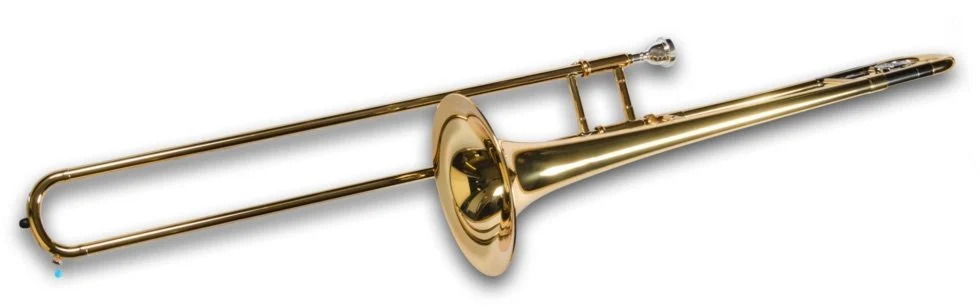
As a member, you get access to more than 2.000 pages of exclusive trombone sheet music spread out over 150 trombone lessons – the largest collection online for intermediate to pro trombone players. A fair warning: you might not want to let go after your free trial ends…
START YOUR FREE TRIALHappy playing and I hope to see you on board!