

Neighbours. Thin walls. A partner with a Zoom call. Sleeping kids. Every trombone player eventually faces the exact same problem: you need to practice, but the world is simply not ready for it.
We all know the feeling. You are warmed up, you have your coffee, you are ready to tackle that new jazz etude — and then knock knock knock on the ceiling.
Practicing at full volume in an apartment is a fast track to eviction, but not practicing at all is a fast track to losing your chops. You need a solution that lets you put in the hours without starting a neighbourhood war. This article covers the real options — from cheap practice mutes to the Yamaha Silent Brass system — and what you actually need to know before spending money on any of them.
The Basic Option: Practice Mutes
If you just need to knock the volume down to a conversational level, a standard practice mute is your first stop. There are dozens on the market. They all work on the same basic principle: stuff a lot of material into the bell to stop the sound from getting out, while leaving just enough of a gap for the air to escape.
The upside is obvious — they are cheap (usually between $30 and $80), simple, and fit right in your gig bag. The downside is equally obvious once you have played through one for an hour. First, there is the resistance. Playing with a practice mute feels like blowing into a brick wall. It alters the backpressure significantly, which can quietly mess with your embouchure and breathing if you rely on it too much. Second, most practice mutes throw the pitch off — usually making you play sharp — so your intonation training goes out the window. Third, you are not hearing your real sound. You are hearing a muffled, stuffy version of it.
If you only need to practice quietly for 20 minutes a day, a standard practice mute (the Bremner Sshhmute and the Denis Wick are both solid choices) will do the job. But if you are doing serious, hour-long sessions, the resistance will start to wear you down and teach you habits you will have to unlearn later.
The High-Tech Option: Yamaha Silent Brass
If you want to practice for longer periods, or if you actually want to hear what you are playing, you need to step up to the Yamaha Silent Brass system. The current version for trombone is the Yamaha SB5J Silent Brass System.

How It Works
The Silent Brass system consists of two parts. First, the Pickup Mute: a very small, lightweight mute that sits in your bell. The newer generation is noticeably smaller than older versions and barely sticks out past the rim. Crucially, it has a built-in electric condenser microphone. Second, the Personal Studio: a small belt-pack that you clip to your waistband. You plug the mute cable into the pack, plug headphones into the pack, and you are ready to go.
The Magic: Brass Resonance Modeling
When you play, the mute kills the acoustic volume in the room — your neighbours hear almost nothing. But inside your headphones, Yamaha’s Brass Resonance Modeling technology takes the dry signal from the microphone and digitally reconstructs the acoustic resonance of an open trombone bell in a real room. You can switch between Room and Hall reverb settings. It genuinely sounds like you are playing without a mute in a decent acoustic space, which means your ear is actually learning something useful while you practice.
The beltpack also has an aux input, so you can plug your phone in and play along with backing tracks or an ear-training app directly in your headphones — all at the same time.
The system usually runs around $299–$370 depending on where you buy. Online retailers like Amazon carry the full Yamaha Silent Brass range, and it is worth checking Capital One Shopping’s Amazon page before you buy — they aggregate active promo codes and cashback deals that can take a chunk off the price.
The Missing Link: Get Better Headphones
The Yamaha Silent Brass comes with a pair of cheap earbuds in the box. They work, but they are not great. If you are going to invest in the system, you need a pair of headphones that actually lets you hear the quality of the Brass Resonance Modeling without getting in the way of your playing.
You do not want heavy, closed-back studio headphones for this. They clamp down on your head, make your ears sweat after 20 minutes, and the bone-conduction effect makes every breath and slide movement sound unnaturally loud inside your skull. You want something lightweight, open, and wired — Bluetooth introduces latency, which makes playing feel completely wrong.
My Recommendation: Koss KPH30i (~$30)
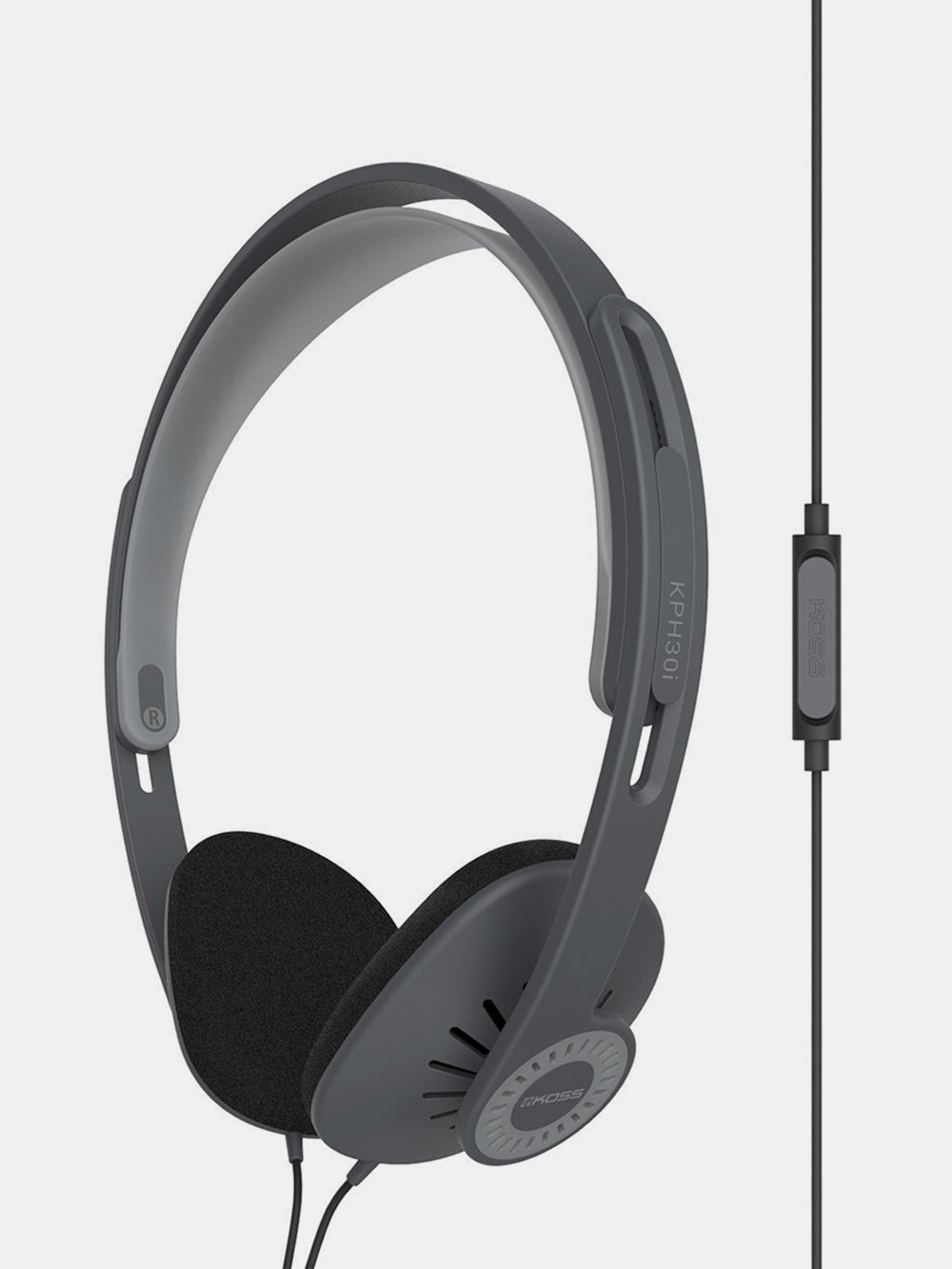
These look like something that came with a portable CD player in 1998. Do not let that fool you. The Koss KPH30i are a genuine secret weapon in the audio world, and they are almost comically good value for a musician on a budget.
For about $30 you get an open-air design that lets your ears breathe and eliminates the weird bone-conduction thudding when you articulate. The 60-ohm drivers produce a massive, spacious soundstage that audiophile forums have been raving about for years — it pairs perfectly with the reverb from the Silent Brass Personal Studio. The patented suspension headband puts almost zero pressure on your head, so you will forget you are wearing them after five minutes. And the cable terminates in a standard 3.5mm plug, which goes straight into the Yamaha beltpack with no adapters needed.
Specs: 15–25,000 Hz frequency response, 60 Ohms impedance, 101 dB SPL, 4-foot cable, limited lifetime warranty from Koss.
The Bottom Line
Practicing quietly is always a compromise. Nothing beats the feeling of playing an open horn in a great hall. But when that is not an option, you have to protect your chops and your relationships.
If you just need a quick, cheap fix for occasional late-night playing, grab a standard practice mute and accept the tradeoffs. But if apartment practice is your daily reality, save up for the Yamaha Silent Brass SB5J and pair it with a set of light, open headphones like the Koss KPH30i. Together they cost less than $330, they will transform your practice sessions from a frustrating compromise into something you actually look forward to — and your neighbours will never know the difference.
Now go practice. Quietly.


