- The site about trombone playing!

I have written about the value of working with pedal tones before, but there is more to it! In these exercises, focus lays on including pedal tones when you work on flexibility on the trombone (or other brass instruments), and being able to access them effortless and without changing the embouchure to much compared to the normal range. read more »

Practicing low range with a small mouthpiece
If you are working on the low range, consider doing the exercises you work on, on a smaller mouthpiece, or even on a smaller trombone if you play on a large bore tenor or bass trombone. Why? Well, playing a smaller mouthpiece makes it even more important to have the airflow centered in order to get the full sound. Big instruments and mouthpieces tend to be more forgiving if your embouchure and/or air flow isn´t dead on. You can test yourself: play a few notes in the low mid / low range in f on your large equipment. Now do the same with a smaller mouthpiece/trombone. Can you get the full sound out of it, or does it feels like it “locks up”? Of course, a big fff low E on a small bore horn with a 12C mouthpiece wont sound that great, but in general, you read more »

You might know the feeling, playing all those scale patterns one half tone up at the time… Seven keys to go ands the lips already feel as flexible as a train rail track!

There are lots of exercises where you gradually expand the range, and end up playing in either the extreme high or low register. I will give you a little but effective tip how to get the most out of those exercises, without busting your chops.

Expand from the middle
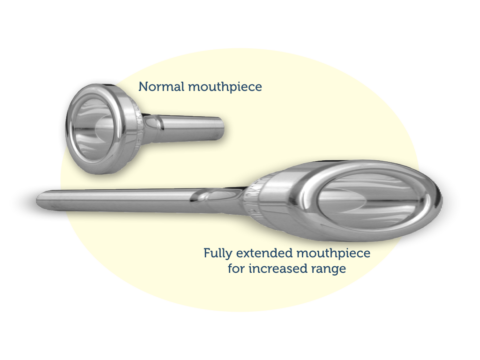
The solution is simple, make sure that you start in the middle range, and work your way both up and down from there. Mixing high and low range both save chops, and helps you to play with the same embouchure in all registers. This mouthpiece exercise works this way. read more »

As far as I know, this is the first edition of Bach´s Cello Suites IN ALL KEYS! Now you can get Suite no 1 and Suite no 2 edited for brass in all keys, available in PDF format. With 120-152 pages each, there should be enough music to keep you busy for the rest of the week…and the next few years!

There are two versions available of each suite: high brass (treble clef) and low brass (bass clef). Since all keys are represented, it doesn´t matter how your instrument is tuned, there will always be plenty of well suited etudes for your instrument – trumpet, trombone, euphonium, tenor horn, alto horn, french horn or tuba. read more »

Doesn´t that sound nice, improving your playing in five minutes! Well, this exercise will not actually make you play trombone better, but it will help you get the most out of what you already know.

As I have written before, getting the airflow up and running in a relaxed manner really helps you get a good response on the horn. This small warmup and breathing exercise is all about that. read more »

Nothing fancy here, just a great warm up exercise that I use on a (almost) daily basis. It´s a good combination of legato and staccato and starts in a relaxed range and goes down. Deep down! Try not to give up half way in order to get the most out of it. read more »

Don´t forget not to play the trombone all the time! And while not doing that, I suggest that you work on the mouthpiece alone. It´s great for improving air flow, attack, strength and sound.

When you play on the mouthpiece, try to make the sound as big and open as possible. I try to focus on getting as many overtones in the sound as possible. Once you get it right on the mouthpiece, the tone quality on the horn will improve as well. read more »

Do you have the feeling sometimes that the instrument doesn´t taste as good as it use to, and that the lips just wont buzz the way you want them to? In 92,8% of the time, there is nothing wrong with the lips, and the problem is air flow, or the lack of it. read more »